
Feederism for Queer and Trans Couples: Reclaiming Appetite and Identity
Feederism takes on a unique depth in queer and trans relationships. Appetite, body size, gender expression, and desire are not neutral concepts in queer life. They are shaped by years of cultural surveillance, dysphoria, gatekeeping, and narrow expectations about what certain bodies should look like, eat like, or take up space like. Feederism interrupts these expectations and creates a space where appetite becomes a site of reclamation rather than restriction.
For many queer people, desire begins with undoing rules that were never created for them. The world polices queer hunger in every sense. Romantic hunger. Sexual hunger. Bodily hunger. The message is often the same: want less, take less, shrink yourself to fit. Feederism flips this script. It invites partners to want more. To eat more. To feel more. To take up space through appetite rather than apology. This alone can feel radical.
Trans couples often experience feederism through the lens of embodiment. Dysphoria can distort how someone relates to hunger, softness, weight, and fullness. Feeding scenes provide a controlled, consensual environment where these sensations can be explored without fear. For some trans people, fullness feels grounding. For others, softness becomes affirming. For many, the act of being fed allows them to experience their body without scanning for danger or judgement. Eating becomes erotic rather than dysphoric.
For partners feeding a trans or nonbinary person, the dynamic carries responsibility and possibility. Feeding can be a way to affirm gendered embodiment rather than overwrite it. It can be used to eroticise the parts of the body that feel aligned, or gently explore areas that feel complicated. It becomes a language of attunement rather than assumption. Feeding becomes a conversation with the body, not a correction of it.
Queer couples often use feederism to destabilise who is allowed to be desirable. Mainstream culture pairs desire with thinness, muscularity, or cisnormative aesthetics. Feederism disrupts this by eroticising bodies that fall outside these narrow categories. Fatness becomes sensual. Softness becomes powerful. Thickness becomes a site of pleasure rather than stigma. Queer desire has always expanded definitions of beauty. Feederism continues this tradition by making appetite itself erotic.
Power dynamics in queer feederism also shift in ways that challenge heteronormative scripts. A femme feeding a butch partner subverts expectations about who is allowed to nurture and who is allowed to receive. A trans masc submissive being fed by a nonbinary Dominant reshapes traditional narratives of authority. A fat Dom feeding a smaller partner disrupts cultural assumptions about size and power. The dynamic becomes a space where partners build their own hierarchy rather than inheriting one.
In many queer relationships, feederism is not about growth at all. It is about intimacy through ritual. It is about sitting together, sharing food, encouraging one more bite, praising enjoyment, and watching the body soften under attention. It is about slow afternoons, gentle scenes, and emotional closeness. Feeding becomes a grounding practice, not a transformation project.
Queer neurodivergent couples often find that feeding scenes create sensory regulation. Eating can be rhythmic, soothing, predictable, or stim-friendly. When coupled with erotic intention, the experience can feel both calming and connecting. The feeder provides external structure. The receiver relaxes into guided sensation. The dynamic supports both pleasure and nervous system stability.
Fat queer couples may use feederism to affirm each other’s bodies. Many have lived under constant judgement, invisibility, or fetishisation from outside their community. Shared feeding rituals can feel like reclaiming desire from the gaze that never understood them. For some, it becomes a form of fat intimacy where appetite is not hidden or apologised for. It is honoured.
Feederism becomes especially meaningful in queer relationships because it is built through collaboration rather than inherited norms. There are no scripts telling queer couples how feeding should look. This freedom allows partners to co-create dynamics that feel aligned rather than prescribed. They can emphasise dominance, care, ritual, fantasy, or sensuality depending on their own desires and identities.
At its best, feederism in queer and trans relationships becomes a way to reclaim the body from shame, diet culture, dysphoria, and the limits of heteronormative desire. It offers a space where appetite is not policed but celebrated. Where bodies are not judged but adored. Where intimacy grows not through conformity but through shared imagination.
Feederism becomes a form of queer embodiment. A way of saying:
My hunger is allowed here.
My body is allowed here.
My desire is allowed here.
And for many couples, that permission becomes the most erotic part of all.
Body Expansion Fantasies: What They Mean and How They Work
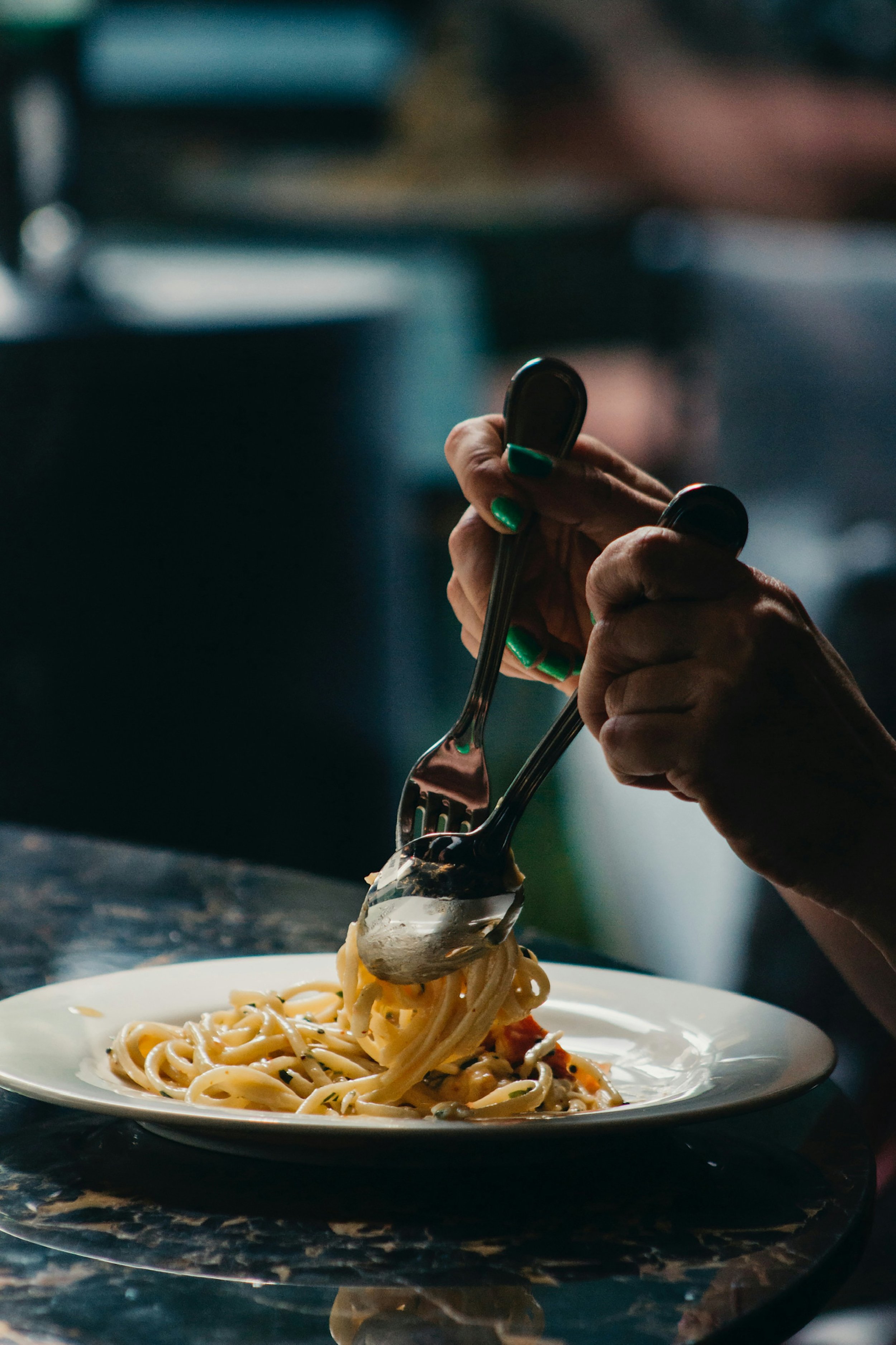
Body expansion fantasies sit at the heart of many feederism dynamics, yet they are often misunderstood. People assume the fantasy is only about size or weight, but the psychological landscape is far richer. Body expansion is about growth, indulgence, transformation, power, and the emotional charge that comes from crossing thresholds that are normally policed. It is a fantasy of becoming more, not less.
At its core, body expansion is not about a specific number on a scale. It is about the idea of increasing. More softness. More appetite. More flesh. More presence. For many people, the fantasy works on the level of symbolism rather than reality. The body becomes a site where desire accumulates. Expansion becomes a metaphor for indulgence, surrender, or abundance.
For some, the fantasy expresses nurturance. Watching a partner grow feels like witnessing the visible result of care. Every curve becomes a sign of attention. Every increase becomes a shared accomplishment. The feeder may experience this as pride, affection, or a form of erotic guardianship. It is a desire to see the partner well fed, well held, and fuller than before.
For others, the fantasy leans into dominance. Expansion becomes a sign of influence. The feeder’s choices shape the receiver’s body. Each bite becomes a marker of submission. Each gain becomes evidence of a dynamic built on desire and obedience. This psychological charge does not require actual weight gain. The fantasy alone can create the same erotic tension.
The person receiving the feeding often experiences the fantasy through a complex mix of pleasure, vulnerability, and transgression. Expansion challenges cultural norms that demand smallness, restraint, and control. Leaning into fullness becomes an act of rebellion against these expectations. It becomes a form of embodiment where desire takes precedence over discipline. Many people find this liberating.
The fantasy can also intersect with identity. For fat people, body expansion fantasies may not be about change but about embracing their current form with erotic intensity. For trans people, it may relate to gendered embodiment. For neurodivergent people, it may tap into sensory interest or soothing routines. Fantasy operates differently across bodies and histories.
Importantly, body expansion fantasies exist on a spectrum. Some people enjoy purely imaginative play. Others explore small, consensual changes. A few pursue long term growth with care and negotiation. What matters is clarity. Fantasy becomes harmful only when it replaces communication. Ethical feederism frames expansion as a shared narrative rather than a unilateral expectation.
Fantasy also works because it creates distance. It allows people to explore roles or desires they might not want in everyday life. A submissive may love being imagined as insatiable, overflowing, or spoilt, even if they have no intention of permanently changing their body. A feeder may fantasise about extreme growth while maintaining strict safety and consent in practice. Fantasy becomes a sandbox where the edges can be explored without consequence.
The erotic power of expansion also lies in visual and tactile symbolism. Softness becomes sensual. Heaviness becomes grounding. Curves become invitations. These sensual cues combine with narrative elements to create a deeply immersive headspace. The receiver experiences themselves as an object of desire in a way that can be validating, empowering, or deliciously overwhelming.
For some, expansion fantasies map onto transformation. The body becomes a story unfolding over time. Growth reflects devotion, indulgence, or the slow claiming that occurs in certain D/s relationships. The symbolism is potent because it externalises an internal shift. The relationship, the attention, and the desire leave visible marks.
What distinguishes ethical exploration from harmful dynamics is intention. Expansion must be a desire shared openly and navigated collaboratively. The feeder’s role is not to push but to understand. The receiver’s role is not to comply but to participate with agency. When both hold this awareness, body expansion becomes not a fetish to manage but a story to co-create.
Ultimately, body expansion fantasies are not about making someone bigger. They are about expanding the emotional, psychological, and erotic territory within the relationship. They ask partners to imagine what growth could mean if it were not tied to shame or cultural judgement. They turn the body into a living symbol of desire.
The fantasy works because it invites abundance. Abundance of sensation, attention, power, softness, appetite, and care. It turns the body into a site of expansion in every sense of the word.
Encouragement vs Coercion: Building Ethical Feederism Dynamics
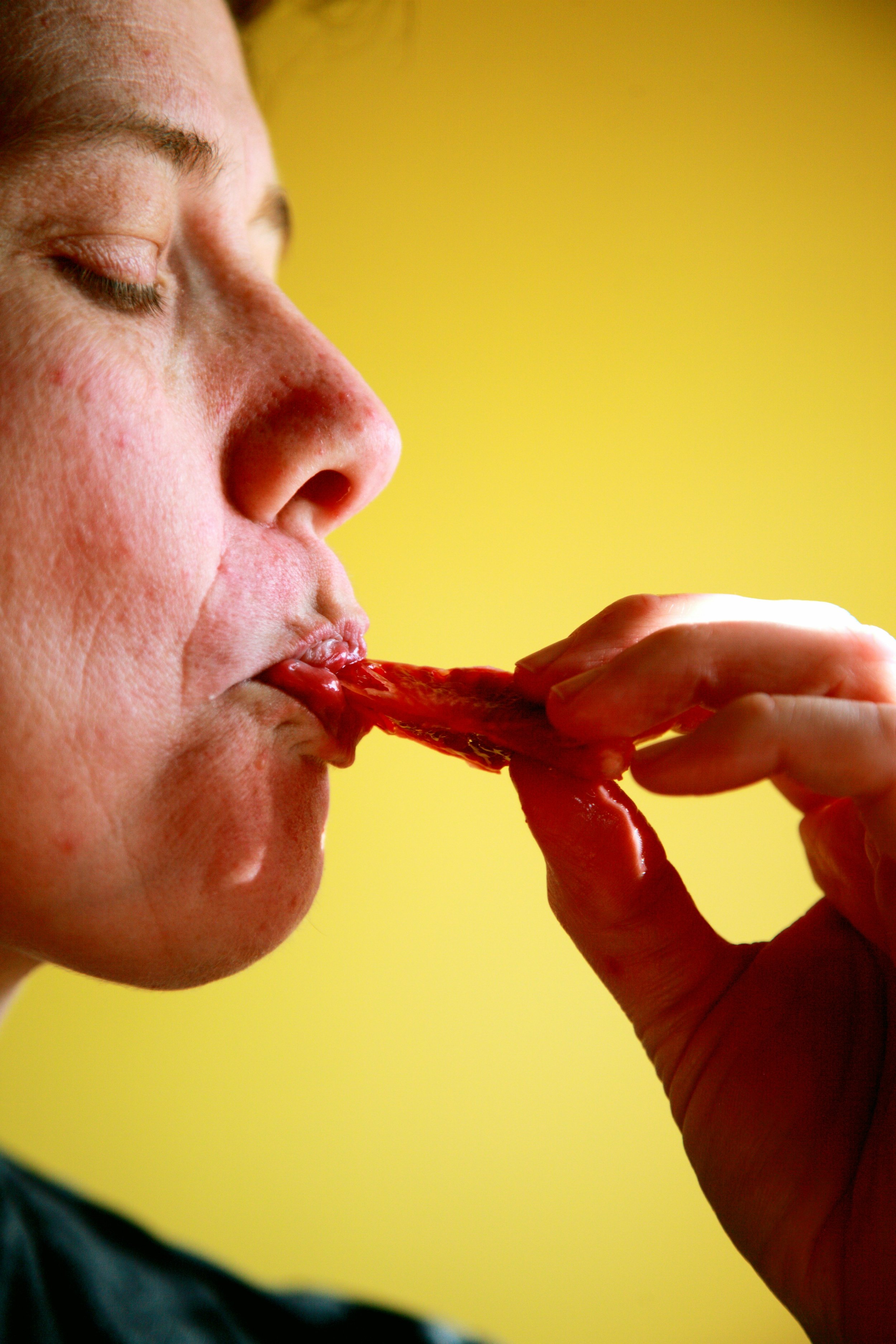
Feederism is often misunderstood as inherently coercive. Outsiders imagine pressure, force, or manipulation. Yet the reality is that healthy feederism is built on encouragement, not coercion. It thrives on consent, communication, and emotional literacy. Understanding the difference between encouragement and coercion is essential for anyone who wants to explore feederism in a way that feels safe, ethical, and erotically alive.
Encouragement begins with curiosity. The feeder is interested in the receiver’s appetite, comfort, and desire. They offer, invite, and guide without assuming the answer. Encouragement is an open door. The receiver steps through voluntarily. They feel free to say yes, no, more, or not today. Their agency remains intact. This freedom keeps the dynamic grounded and erotic rather than overwhelming or unsafe.
Coercion removes choice. It pressures, pushes, or manipulates. It uses insecurity, guilt, or silence as tools of influence. Coercion can be subtle, especially in dynamics where power already plays a role. A Dominant who insists, a feeder who shames refusal, or a partner who uses hunger for emotional leverage is crossing into unethical terrain. What makes the difference is not the intensity of the desire but the quality of the invitation.
Encouragement feels nurturing.
Coercion feels narrowing.
Encouragement builds trust.
Coercion erodes it.
Encouragement makes the receiver want to open.
Coercion makes the receiver shut down.
Ethical feederism relies on pacing. Encouragement moves slowly enough for both partners to notice shifts in emotion and physiology. A feeder who understands this watches how the receiver responds. Are they leaning in or tensing? Smiling or retreating? Asking for more or checking out? The ability to read the moment is part of the craft. It prevents the dynamic from slipping into territory that feels overwhelming.
Tone matters as much as action. Encouragement sounds like:
You want another bite?
Tell me when you’re full.
I love watching you enjoy this.
Only if you want to.
Coercion sounds like:
Come on, just a little more.
Don’t disappoint me.
You said you liked this.
You know you want it.
The difference is subtle but profound. Encouragement opens space. Coercion fills it.
In D/s dynamics, the distinction becomes even more important. A submissive may feel obligated to please the Dominant, even when they are uncertain. Ethical Dominants understand this. They use their authority to deepen safety, not undermine it. They offer choices clearly. They check in without losing erotic momentum. They invite rather than pressure. Their power feels grounding rather than demanding.
Some Dominants choose to structure feederism with explicit consent rituals. These rituals create clarity:
Here is what I’m offering.
Here is how far we are going.
Here is where you can pause or stop.
The submissive responds with informed desire. This keeps the dynamic charged while protecting the relationship from unspoken assumptions.
Encouragement also includes emotional aftercare. Feeding scenes can evoke vulnerability, especially for those who carry shame around eating or body image. Aftercare might involve grounding touch, gentle conversation, or simple presence. It reminds the receiver that their worth is not tied to performance. It reinforces safety and connection.
Coercion often has no aftercare because coercion is not relational. It is one sided. It leaves the receiver feeling unsettled or self-critical. Ethical feederism seeks the opposite: softness after intensity, grounding after indulgence, closeness after erotic vulnerability.
Queer, trans, fat, and disabled partners may experience encouragement differently based on history and identity. Recognising this complexity is part of ethical practice. Encouragement must be tailored to the person, not just the kink. What feels opening for one person may feel overwhelming for another. Responsiveness is essential.
When feederism is practiced ethically, encouragement becomes part of the erotic charge. The receiver feels desired but not pressured. The feeder feels attentive but not demanding. The dynamic becomes a collaborative exploration rather than a rigid script. Appetite becomes a shared language instead of a battleground.
What makes feederism powerful is not the feeding itself. It is the consent woven into each gesture. It is the feeling of being wanted without being pushed. It is the sense that appetite, when held with care, becomes a place of intimacy instead of shame.
Encouragement invites the body to say yes.
Coercion forces it.
Ethical feederism knows the difference and builds desire that grows from freedom, not fear.

Soft Domination Through Food: The Erotics of Being Fed
Being fed is one of the most deceptively simple erotic experiences. It does not rely on overt commands or intense scenes. It does not require elaborate power rituals. Instead, it works through softness, pace, and psychological invitation. Soft domination through food is the art of guiding another person’s appetite with quiet authority. It is dominance expressed not through pressure, but through presence.
Soft domination begins with tone and posture. The feeder does not need to raise their voice or make demands. They hold the food, set the pace, and wait. Waiting is part of the power. It creates a charged moment where the receiver becomes aware of their own hunger, their partner’s attention, and the unspoken invitation between them. The Dominant does not force. They direct. And direction, when done gently, can be more powerful than the roughest command.
The eroticism comes from the surrender required to be fed. Opening the mouth for someone else is an intimate act. It reveals vulnerability, appetite, and a willingness to follow. This is not subservience in a crude sense. It is a psychological shift where the receiver lets go of control for a moment. The feeder becomes the one who decides what comes next. This decision-making, subtle as it seems, is where soft domination takes root.
The act carries emotional weight because eating is usually surrounded by rules. How much, how fast, how politely, how visibly. Soft domination suspends those rules. It creates a small world where the receiver’s hunger is not judged but accepted. Where desire is not hidden but encouraged. Where taking becomes allowed. This sense of permission often hits the nervous system as both relief and arousal.
For the Dominant, feeding offers a gentle form of control. They structure the moment through pacing, portion size, and proximity. They can make the bite small or generous. They can hold it just out of reach. They can move closer or pause and watch. These choices shape the receiver’s psychological state. Power becomes something felt in the air rather than stated outright.
Eye contact amplifies the dynamic. The Dominant watches how the receiver responds, how they breathe, how they anticipate the next offering. The receiver sees the Dominant watching them take in what is offered. This mutual awareness intensifies the moment without needing any verbal script. Soft domination works through attention rather than force.
Touch often enters the scene naturally. A hand on the jaw. A thumb brushing the lip. A gentle tilt of the chin. These gestures are small, but they signal authority. The Dominant is not controlling the body through restraint. They are guiding it through cues that the receiver willingly follows. The softness is not weakness. It is precision.
In many dynamics, soft domination through food becomes a prelude to deeper forms of power exchange. The mood shifts from tender to charged. The receiver falls into a quieter headspace. The Dominant feels the weight of their role settle into their hands. The feeding becomes a kind of erotic choreography where intimacy and control blend seamlessly.
For some, this dynamic becomes a way to explore need. The receiver discovers what it feels like to take something offered purely for pleasure. The Dominant explores what it feels like to give without losing authority. In queer, trans, and fat-positive contexts, soft domination through food can also challenge cultural narratives about appetite, body worth, and visibility. The moment becomes more than erotic. It becomes affirming.
Neurodivergent partners often find this dynamic grounding. The structure of feeding, the sensory pleasure, and the clear cues can feel regulating. Soft domination through food provides predictable rhythm with enough intimacy to feel emotionally safe. It anchors the body and focuses the mind.
Ultimately, the power of this kink lies in the contrast. The Dominant does not need to raise their voice. The submissive does not need to kneel. The control is quiet, almost invisible, yet unmistakable. The surrender is gentle but real. Feeding becomes the medium through which authority and trust flow together.
Soft domination through food reveals something essential about power exchange. It shows that dominance does not have to be harsh to be effective. It can be slow. It can be tender. It can be delivered through an offered bite and accepted with parted lips. The moment becomes a study in subtle power, where appetite and intimacy meet at the edge of surrender.
Feeding as Power Exchange: How Care, Control, and Desire Intertwine
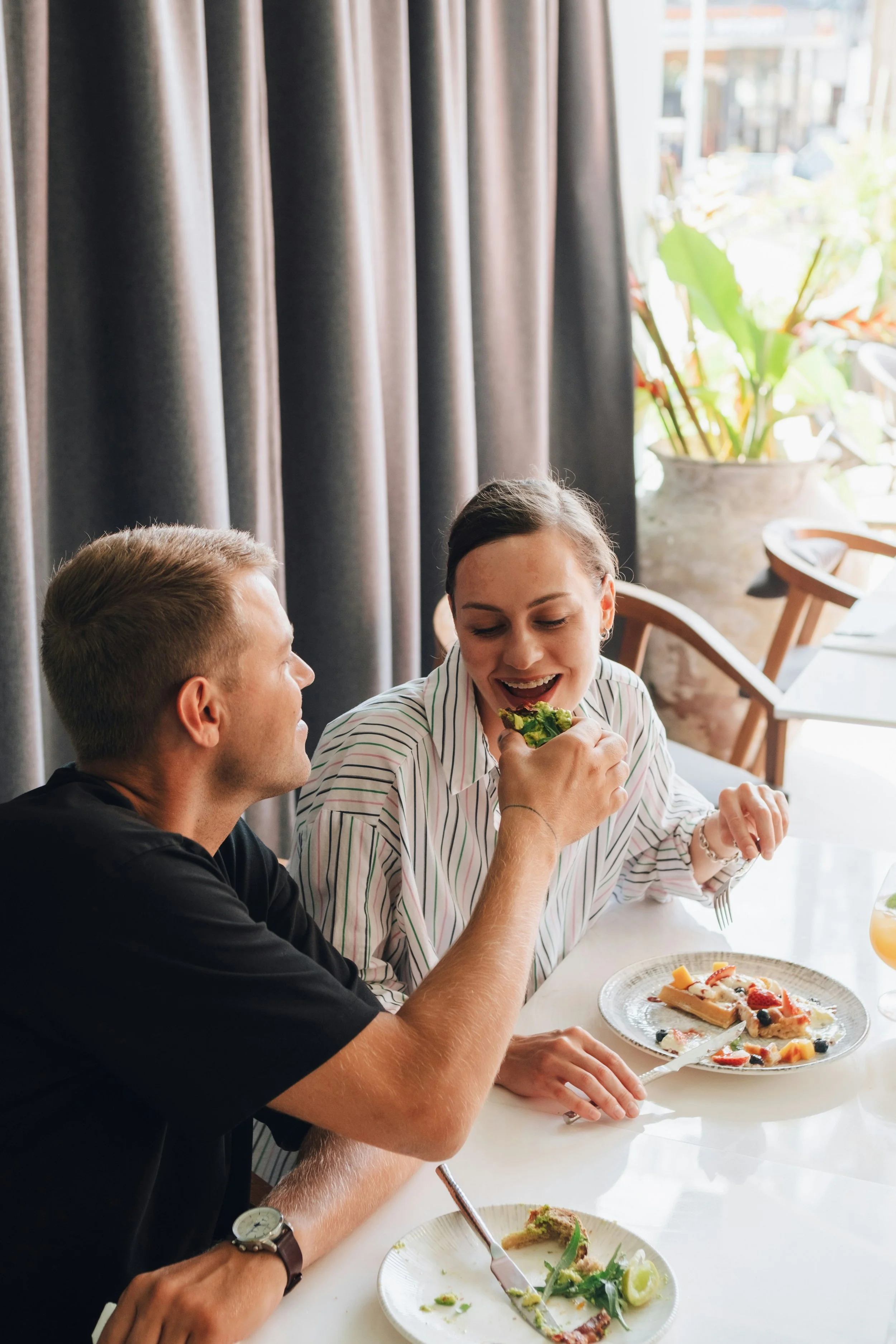
Feederism is often framed as indulgence, appetite, or fantasy, but at its core it is a study of power. Feeding is rarely neutral. It carries emotional meaning, cultural weight, and psychological charge. In a feederism dynamic, these elements converge to create a form of power exchange that is intimate, complex, and deeply relational. Care, control, and desire do not sit on opposite ends of a spectrum. They shape each other.
Feeding begins with an offer. The feeder chooses what to give, how to give it, and the tone in which the moment unfolds. This is an early expression of power. The receiver decides whether to accept, how much to take, and how deeply they want to lean into the experience. That acceptance is its own kind of power. Everything that follows is built on these choices.
In many relationships, feeding carries a nurturing tone. The feeder becomes the one who tends, provides, and watches. This can feel soothing for the receiver. It creates a sense of being cared for, not in a parental way, but in an erotic or relational one. Allowing someone to feed you requires trust, especially when the moment slows down enough to feel deliberate. Taking food from someone’s hands can feel like intimacy stripped of distraction.
Care becomes erotic because it directs attention. The feeder is not simply providing nourishment. They are watching how the receiver responds. They are reading breath, pace, hunger, hesitation, desire. This level of attunement can feel grounding for both partners. The receiver feels held. The feeder feels connected through their role. Care becomes a tool of erotic presence.
Control emerges from the same gestures. A feeder who sets the pace, decides portion size, or instructs the receiver when to open or swallow is shaping the moment with subtle authority. This authority can feel gentle or commanding depending on tone and intention. It can evoke surrender for the receiver, not because they are forced, but because giving up decision-making becomes part of the pleasure.
Many people experience control in feederism as a form of psychological containment. When someone else guides their appetite, the world narrows. Thoughts quiet. The moment becomes structured. This can feel deeply soothing for people who carry shame or anxiety around eating. Control becomes less about domination and more about creating boundaries within which desire can unfold safely.
Desire threads through every part of the dynamic. For some, the act of feeding is arousing because it is intimate. For others, it is erotic because it is taboo. Appetite, indulgence, and bodily expansion exist in tension with cultural pressures to restrict, minimise, or control oneself. Transgressing those pressures becomes part of the erotic charge. Desire intensifies not despite the taboo but because of it.
Power exchange in feederism is not always hierarchical. Many queer and egalitarian couples explore feeding as a shared exchange rather than a D/s dynamic. Care and control move between partners. One feeds, then the other. One encourages, then receives. Power becomes fluid rather than fixed. What remains constant is the psychological intimacy of shaping or responding to appetite.
For those in D/s dynamics, feederism becomes an especially rich terrain. Feeding can be an expression of dominance that feels softer than discipline and more intimate than instruction. The Dominant uses guidance, tone, and tempo to shape the submissive’s experience. They watch the body respond to their decisions. They deepen the submissive’s headspace through slow, attentive control. Submission becomes physical, emotional, and sensory at the same time.
For submissives, receiving food can evoke vulnerability and surrender. It requires allowing someone else to see hunger, desire, softness, and need. These are not easy states for people raised to hide or restrict their appetites. Taking food from a Dominant can feel like offering the body more honestly than sex. It becomes a way of saying: here is my want, unfiltered.
The most powerful feederism dynamics are not built on force. They are built on mutual responsibility. The feeder shapes the experience with both intention and care. The receiver enters it with both desire and agency. The moment becomes an exchange rather than a one sided act. The power is not in the feeding itself. It is in how feeding changes the internal posture of both partners.
Care gives the interaction emotional depth.
Control gives it shape.
Desire gives it heat.
Together, these three elements create a kink that is as psychological as it is sensory.
Feederism reveals that power does not always come from intensity. Sometimes it emerges from nourishment, from guiding appetite, from choosing what is offered and how it is taken. Feeding becomes a language. Power becomes the grammar. Desire becomes the meaning that flows between them.

The Psychology of Appetite: Why Feederism Turns People On
Feederism is not simply a kink about food or weight. It is a psychological landscape built around appetite, permission, and the emotional charge that forms when someone is encouraged to take more than they ordinarily allow themselves. It is desire expressed through nourishment, attention expressed through feeding, and intimacy expressed through growth. To understand why feederism turns people on, we have to understand how appetite itself intersects with power, identity, and the body.
Appetite is not neutral. Most people grow up in cultures that police hunger, especially the hunger expressed by women, queer people, and fat people. Appetite is framed as something to restrain. Body size is monitored. Eating is moralised. Pleasure is negotiated through shame. Feederism flips this script. It makes appetite a site of erotic attention rather than restriction. It turns eating into a shared act rather than a private struggle. The transgression of eating freely becomes part of the erotic pull.
For the person being fed or encouraged, feederism can feel like a suspension of all the rules that usually govern the body. Someone else wants their appetite, welcomes it, and feeds it with intention. That external permission often hits the nervous system with unexpected intensity. It can feel like relief, indulgence, submission, or liberation. It allows the receiver to step into a role where desire is not hidden but invited. Being fed becomes more than intake. It becomes a moment of being wanted.
For the feeder, the psychology looks different but equally potent. Feeding becomes a form of care or authority. They are guiding the experience. They are watching the impact of each bite. They are the one shaping the rhythm of growth or indulgence. This can evoke feelings of nurturance, dominance, creativity, and desire. The feeder is not simply giving food. They are directing appetite, which creates a subtle but powerful form of control. It is control rooted in attention rather than force.
The dynamic becomes erotic because appetite is both physical and emotional. Eating activates the nervous system in ways that overlap with arousal. The anticipation of the next bite mirrors the anticipation of touch. Pleasure builds gradually. Hunger and desire run on parallel neurological pathways. This makes feeding a perfect vehicle for erotic charge. The body experiences warmth, heaviness, softness, fullness, and slowness, all of which can deepen arousal when held within a consensual frame.
There is also the psychological thrill of transgression. Feederism is taboo not because it is inherently harmful, but because it challenges dominant cultural beliefs about bodies and consumption. The kink becomes more charged precisely because it breaks rules. For some, this feels empowering. For others, it taps into a sense of vulnerability. For many, it does both. The taboo becomes less about food and more about the permission to want, to expand, to give in, or to indulge.
In queer and trans communities, feederism can also become a way of reclaiming the body. Many people have complicated relationships with weight, appetite, and self-expression. Being fed, praised, or desired for softness can feel radical. It reframes fatness as erotic rather than stigmatized. It reframes eating as pleasure rather than shame. It reframes embodiment as something expansive. These shifts can be deeply affirming, especially for people who have experienced body policing or gendered expectations around appetite.
For neurodivergent people, feederism may intersect with sensory pleasure, routine, or emotional regulation. Eating can be soothing, grounding, or rhythmically satisfying. When these sensations join with erotic intention, the experience becomes layered. The kink becomes less about body size and more about how the body feels when pleasure and nourishment overlap.
What makes feederism psychologically rich is the role of surrender and acceptance. The person being fed is giving something up: control, restraint, or the internalised rules that govern their intake. The feeder is taking something on: responsibility, guidance, and attentional focus. This exchange creates intimacy that goes beyond food. It becomes a relationship with desire itself.
Feederism is often misunderstood because people assume it centres around weight. In reality, it centres around appetite. Around permission. Around the erotic charge of indulgence and the emotional safety required to receive it. Some couples explore feederism without any desire or intention for weight gain. Others incorporate growth fantasies into their dynamic. The psychology remains the same: appetite becomes an erotic language.
When held ethically, feederism allows partners to explore hunger, pleasure, and surrender in ways that feel grounding rather than chaotic. It gives people a space to express desire without apology. It offers an intimacy built through softness rather than restriction. And it reminds both partners that the body’s urges can be a source of connection instead of shame.
Feederism turns people on not because of food itself, but because it brings attention, power, desire, and the body into one shared moment. It is the psychology of wanting and being wanted. It is appetite transformed into intimacy.